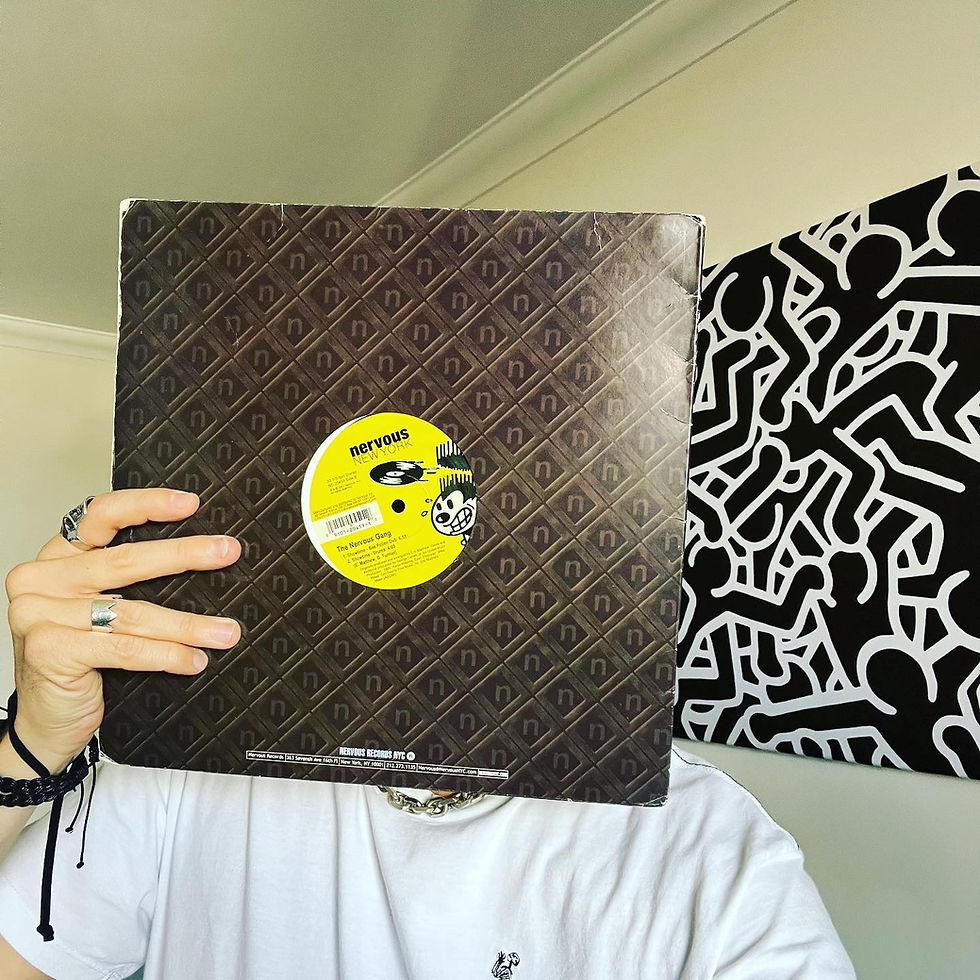
THE FEEDBACK TRAP

Could asking for feedback be hijacking your tracks?
Some years ago, I buried a track on my hard drive.
Not because it was bad.
Because I asked one person what they thought.
I don’t even remember what they said exactly. But I remember how it made me feel. Like maybe I’d been kidding myself. Like those weeks of work - the late nights, the tiny decisions, the moments where everything finally clicked - maybe none of it mattered.
My confidence was shot. I hit pause on the project and never went back.
I didn’t blame them. They did exactly what I asked them to do. They shared their opinion.
The problem wasn’t them. The problem was me not knowing the right questions to ask:
Is this person qualified to give me advice on THIS?
What exactly am I asking them to help me with?
Seth Godin says it better than I can: When we seek feedback, we’re doing something brave and foolish. We’re asking to be proven wrong. What if, instead, we seek advice?
Feedback is vague. Advice is specific.
And if you’re not careful about who you’re asking and what you’re asking for, feedback can destroy your best work.

THE INDUSTRY PROOF
You don’t have to look far to find proof that even the experts get feedback horribly wrong.
Take “Kings of Tomorrow - Finally” - one of the most seminal house tracks ever made. Sandy Rivera couldn’t give it away. Multiple A&Rs at major labels rejected it. These were experienced professionals. Quality tastemakers. People who’d signed countless hits.
They all passed.
The track became a global anthem.
If industry veterans with decades of experience can get it that wrong, what chance do we have when we’re asking producers in online forums, feedback streams, or DMs?
THE STUDENT STORY
Last week, I had to step in and protect a student from a feedback loop that was about to hijack his progress.
He was everywhere - online streams, Soundcloud shares, DMs with producer friends. A whole lot of noise. The feedback? Vague, contradictory, regurgitated information from unqualified people.
I recommended he start asking better questions: Who are these people? Do they have skin in the game? What specifically am I asking them?
And critically: Make sure you’re in the right headspace to hear the response.
He slid me a DM a couple of days later: “I have learnt something huge off you Heath which I think I’ll always stand by - The need to protect yourself.”
That’s when I realised - this isn’t just about protecting one student’s track. It’s about teaching producers how to navigate feedback without letting it hijack their confidence or their music.
THE FRAMEWORK: How to Ask for Advice (Not Feedback)
Seth Godin taught me something years ago that changed how I approach this: We skew our thinking based on the first feedback we get. That’s the moment of maximum fragility, and so our radar is on high alert. But the math doesn’t hold up, and this high alert can destroy our most important work.
Here’s how to make sure you’re protecting your work while still getting the input you need.
Part 1: Who to Ask (Know Your Feedback Squad)
Before you hit send on that feedback request, you need to identify who you’re dealing with. There are three types of feedback-givers:
Cheerleaders Your mum. Your best mate. They love you and want to support you. Bless them - but they’re not going to give you the critical ear you need. They’re protectors, not advisors.
Coaches People who’ve been where you want to go. They have releases under their belt,
they understand the process, and they care about your growth. (You know where to find me 😉)
Critics
Other DJs, producers, wannabe producers - some qualified, most not. They might mean well, but their opinions are often shaped by their own biases, taste, and insecurities. Tread carefully here. You need maybe ONE trusted critic. That’s it.
Ask yourself before requesting feedback:
Are they qualified for THIS specific question? (Mixing feedback? Make sure they can actually mix. Arrangement? Make sure they finish tracks.)
Are they at, above, or below your skill level? (Be honest.)
Have they released music that’s been heard and respected? (Or are they armchair critics?)
Part 2: What to Ask (Be Specific, Not Vague)
The first rule of great feedback is this: No one cares about your opinion. What I want instead of your opinion is your analysis.
Vague requests get vague answers:
❌ “What do you think?”
❌ “Does this work?”
❌ “Any feedback?”
Specific requests get useful advice:
✅ “Does the bass sit well in the mix between 0:45-1:15?”
✅ “I’m trying to build tension in the breakdown - is it working or does it drag?”
✅ “This is a final mixdown. Is there anything that jumps out as distracting?”
And here’s the critical question I always ask when someone requests feedback from me:
“What stage is this track at?”
This question changes everything.
If it’s a rough idea, you need big-picture feedback: Does the concept work? Is the arrangement interesting? Does it have energy?
If it’s a finished mix - master, you need detail-level feedback: Is there anything distracting? Does it translate on different listening systems? Is it competitive with professional releases?
Here’s why this matters:
Imagine you share a mix and mastered track you’ve signed off on as finished, and someone tells you it’s unfinished. Are you going to revisit the project? Does that make sense?
Or the opposite end - you share a rough sketch looking for arrangement ideas, and someone gives you detailed feedback about the mix. You’re not even at that stage yet.
RED FLAG: If someone doesn’t ask what stage your track is at before giving feedback, they’re not thinking clearly about how to help you.
As a coach, I always start here. It frames everything else. It protects the artist from unhelpful advice and ensures I’m giving feedback that actually serves them.
Part 3: How to Filter What You Hear
Not all advice - even good advice - is right for YOU.
Your goals are your filter.
Ask yourself:
Why did I ask this person?
Did their answer help me solve the specific problem I was stuck on?
Does this advice align with my artistic vision?
Red flags in feedback:
It’s just a theory (no concrete examples)
It’s subjective opinion (”I don’t like this style”)
It’s taste-based (”I would’ve done it differently”)
It’s vague (”needs more energy,” “something’s missing”)
It contradicts your gut without a good reason
When to ignore even “good” advice:
This is the tough part. The part I wish I’d known earlier.
You’re the artist. If the advice goes against your self-belief and conviction about the track - if it feels like it’s pulling you away from what you set out to create - say thanks, but leave it as is.
Make sure you’re in the right headspace to ask for and receive feedback. If you’re feeling vulnerable, uncertain, or fragile (like I was all those years ago), maybe wait. Protect your confidence first.
THE FLIP SIDE: For Those Who Give Feedback
If you’re a mentor, coach, teacher, or just someone who gets asked for feedback - this part’s for you.
Be kind. Show empathy.
“I don’t like it,” isn’t useful, because it’s not for you.
Ask what stage the track is at. Ask what specifically they need help with. And if it doesn’t feel right - if you’re not qualified, if you’re having a bad day, if you sense they’re too fragile - say no.
Don’t let the advice monster off its leash and potentially derail someone’s career, work, passion, or drive.
Remember: People remember how you made them feel, not what you said.
Be a good friend, mentor, or coach. Say no when it doesn’t feel right.
THE TAKEAWAY
Asking for feedback is brave. But it’s also fragile.
One opinion - from the wrong person, at the wrong time - can bury a track you poured your heart into. I know because it happened to me.
But it doesn’t have to happen to you.
Before you ask for feedback next time, remember the framework above.
Know your feedback squad. Be specific about what you’re asking. Filter what you hear through your goals.
And if someone asks YOU for feedback:
Clarify what stage they’re at
Show empathy
Say no if it doesn’t feel right
Your music deserves protection - from bad advice, vague feedback, and well-meaning opinions that lead nowhere.
Choose your feedback circle wisely. Your confidence depends on it.
Thanks for reading
Heath
"One vague piece of feedback shouldn't kill a track you spent weeks on."
The Track Finishing Framework teaches you how to separate useful feedback from noise - and when to trust yourself instead. 👇 https://www.heathholme.net/track-finishing-framework